Industrial interior style
How to create the look in your own home
4 min leestijd
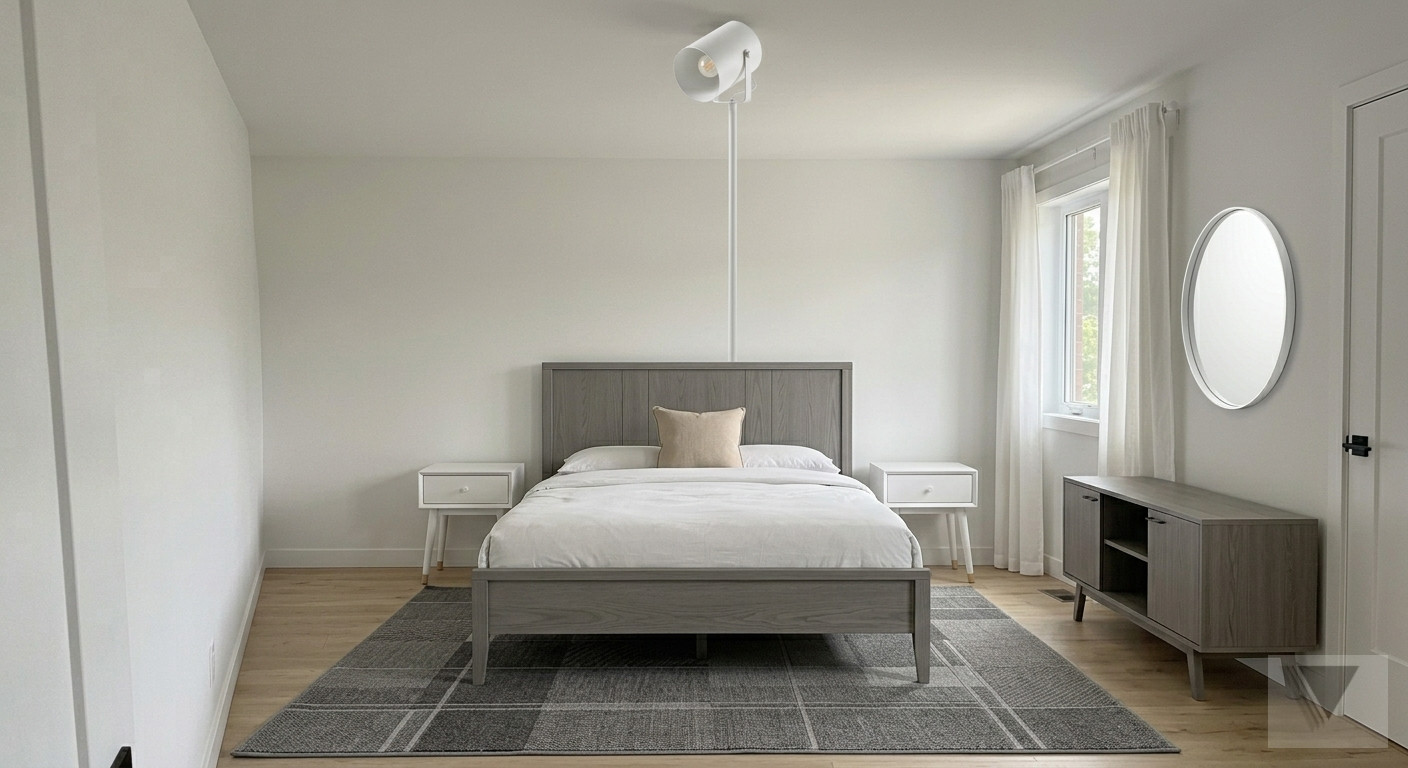
Industrial style began in 1970s American loft conversions — factories turned into homes, with the original materials (concrete, steel, brick) simply left in place. In the Netherlands it took root in old warehouses in Rotterdam and Amsterdam, and is now popular in ordinary terraced houses too. Good news: you don't need a Brooklyn loft. Here's what's actually essential.
The five building blocks
- Raw material as aesthetic. Concrete, brick, steel, and wood in their raw state. Not sanded smooth — imperfections visible. 2. A dark palette. Dark grey, black, dark brown, with accents in cognac, ochre, or deep red. No pastels. 3. Functional furniture. Sturdy, robust shapes. A 1950s factory chair feels right; a delicate designer chair doesn't. 4. Open structures. Open shelving, exposed pipes, open hangers. Nothing hidden behind glossy white. 5. Vintage and industrial mixed. A real old factory lamp next to a new steel pipe rack gives it authenticity.
The must-haves
An Edison-bulb setup The iconic image: filament bulbs hanging from black or brown cable. Not as singletons — in clusters or along a rail. A leather Chesterfield or cognac armchair No velvet, no bouclé. Upholstery: leather in brown, black, or dark green. A patinated second-hand piece does more than a brand-new one. A metal cabinet or open pipe shelving Black steel, often with wooden shelves. Used as bookcase, TV unit, or kitchen open storage. A concrete or steel coffee table No high-gloss — raw or worn finish. A table with visible welds or bolts becomes the main event. A vintage Persian rug Counter-intuitive, but these warm up industrial style. A worn Persian rug under a steel table is a classic. One or more black steel window frames Crittall-style windows or glass sliding doors with a black steel frame are often the element that lifts a living room from "modern" to "industrial."
How to pull it off in a Dutch terraced house
Common failure mode: people buy ten industrial items, drop them into a house that's otherwise standard new-build, and it feels like costume rather than character. Avoid that with three moves: 1. One structural change. A sliding door with a steel frame, a brick-strip wall, or a concrete finish behind the TV. One real physical change makes everything else more believable.
- Don't underestimate lighting. Industrial without visible lighting goes grey. Make sure 3–5 light sources are visibly industrial (Edison, factory-style ceiling lamps, clamp spots). 3. Soft counterweight in textiles. Industrial is hard on its own. Soften with linen curtains, wool throws, leather cushions. Without textiles it gets uninviting.
Pure industrial vs. modern industrial
Pure industrial (loft style): exposed pipes, unplastered brick walls, concrete floor. Unachievable in most Dutch homes without serious renovation. Modern industrial (achievable): plastered walls in dark grey, a normal floor with a rugged rug, one wall with brick-look wallpaper, and the furniture and lighting in industrial style. Much more attainable — and often more livable than fully pure industrial. Most Dutch "industrial" interiors are modern industrial. Not a compromise — often it works better, because it's less photographic and more livable.
Which colours work?
Base: black, anthracite, dark grey, dark brown, cognac. Accents: rust orange, dark green, ochre, deep wine red. Use sparingly. Avoid: pastels, high-gloss white, light pink, sky blue.
With kids?
Industrial isn't kid-unfriendly — it's actually kid-forgiving in some ways. Dark fabrics hide stains, robust pieces don't break easily, and hard floors with a nice rug clean more easily than high-pile carpet. That said: avoid sharp steel edges at child height, and be careful with heavy tables that can tip.
Visualise before you invest
Industrial pieces are often expensive — especially leather, steel, and authentic vintage. A wrong choice is costly. Tools like Veyra let you see industrial combinations in your room before you order. Especially useful for checking whether the style really suits your home, or whether a softer variant (industrial-modern hybrid) works better.
Frequently asked
Does industrial style fit in a small home? It can, but go light on dark colours. Limit dark to one wall and keep the rest light. Too much dark grey turns a small home into a cave.
What's the difference with "rugged" style? "Rugged" is a broader concept covering industrial, robust-rustic, and modern-masculine. Industrial is more specific: it refers to loft/factory aesthetics with raw materials. Which flooring works? Concrete (real or imitation), wide dark planks, or rustic oak. Avoid high-gloss laminate in light tones.
Zie het eerst. Koop het dan.
Upload een foto van je kamer en Veyra laat je echte meubels zien, geplaatst in je eigen ruimte — binnen een minuut.
Probeer Veyra gratis